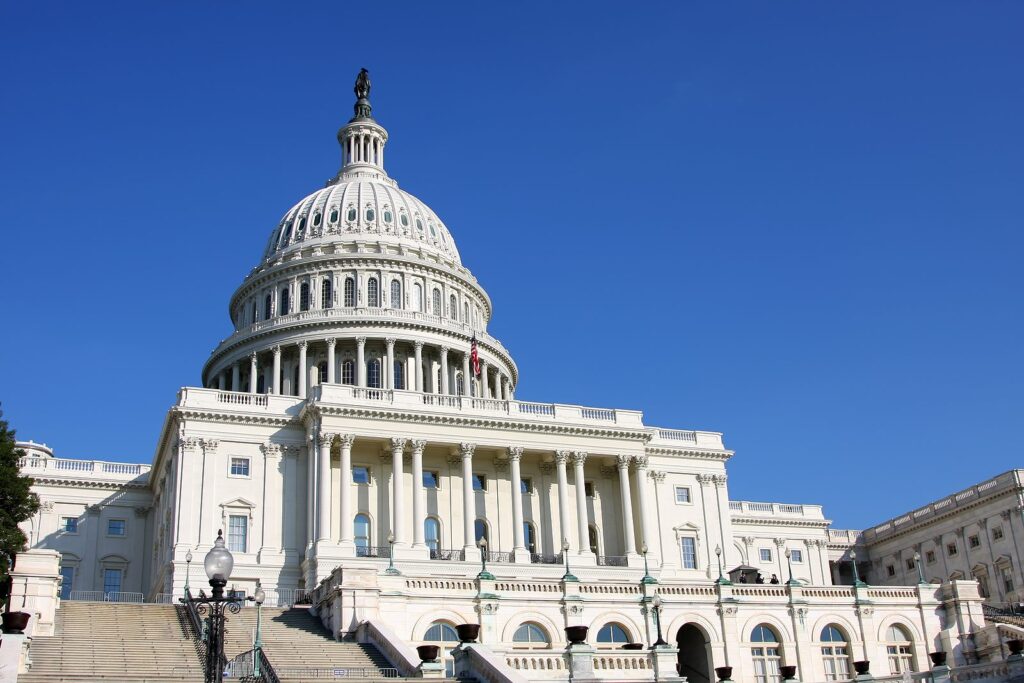

On January 9, 2020, the House of Representatives passed a War Powers Resolution aimed at restraining President Donald Trump’s military actions against Iran, following the increasing tensions in the region. The resolution was a direct response to the U.S. drone strike that killed Iranian Major General Qassem Soleimani, which escalated fears of a broader conflict. Lawmakers in the House, motivated by concerns over unchecked executive power and the potential for an all-out war, sought to reassert congressional authority over matters of war.
The resolution, which passed largely along party lines with a vote of 224 to 194, required the President to cease military operations against Iran unless he received explicit approval from Congress or the nation was under imminent threat. Supporters argued that any military action should follow the constitutional mandate that grants Congress the power to declare war. They contended that the President’s unilateral decision to target Soleimani could lead the U.S. into a protracted and costly conflict without legislative oversight or public debate.
Opponents of the resolution, primarily from the Republican party, voiced strong objections. They argued that the measure would undermine the President’s ability to protect national security and respond promptly to threats. They claimed that the President needed the flexibility to act quickly in a dynamic geopolitical environment, especially given Iran’s history of aggression and its support for militant groups in the region. The attack on Soleimani was portrayed as a necessary preemptive action to prevent further Iranian incursions into Iraq and against U.S. interests.
The resolution sparked intense discussions about the role of the U.S. in the Middle East and the limitations on executive military authority. Many Democrats highlighted the importance of restoring checks and balances, expressing concern over a possible escalation of hostilities without sufficient justification. Furthermore, debates surrounding the resolution reflected broader sentiments about America’s military interventions and the need for clearer objectives and accountability in foreign policy.
As the resolution moved to the Senate, it faced an uncertain future. Many senators were reluctant to curtail the President’s military powers, fearing it could hamper immediate efforts to counter threats from Iran. The division revealed not only partisan lines but also differing philosophical approaches to U.S. military engagement abroad, emphasizing the ongoing debate over the balance of power between Congress and the executive branch in matters of war and peace.
In summary, the House’s passage of the War Powers Resolution underscored a pivotal moment in U.S. history where legislative authority was challenged by executive military actions, prompting a national conversation on the future of American military involvement in the Middle East.
For more details and the full reference, visit the source link below: