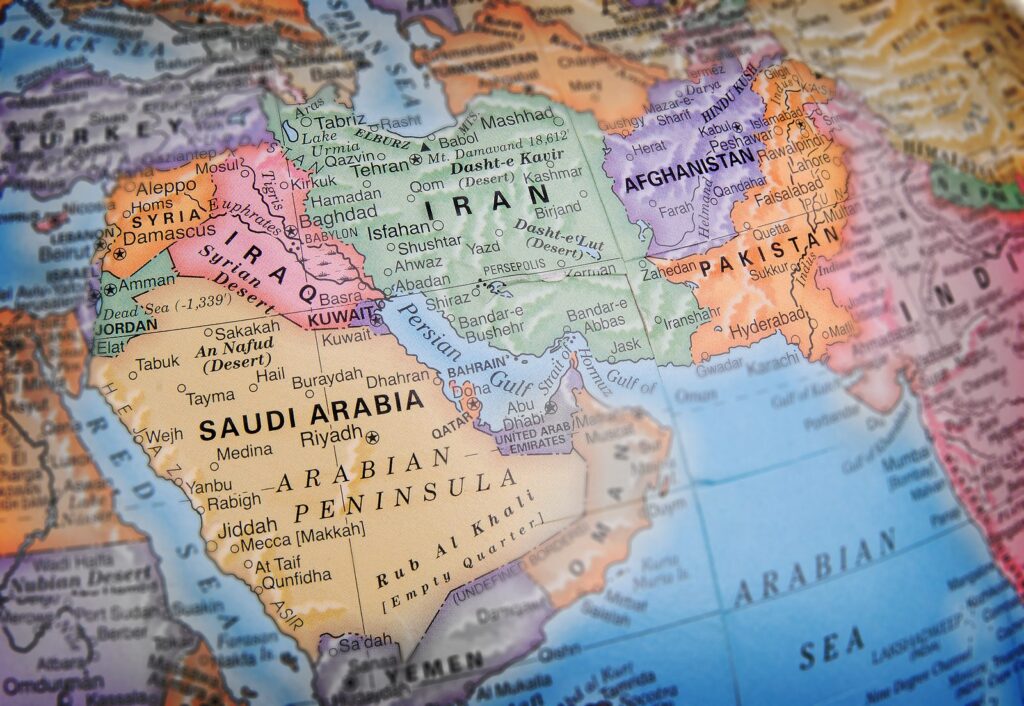

The 2026 Iran War: An Exhaustive Historical, Strategic, and Chronological Reference
The 2026 Iran War stands as one of the most pivotal conflicts of the early 21st century, rooted in a complex tapestry of historical grievances, strategic posturing, and international diplomacy. This war can be traced back to a series of escalating tensions between Iran and its adversaries, particularly the United States and Israel, as well as various regional powers.
Historically, the seeds of conflict were sown long before 2026. The 1979 Iranian Revolution had not only resulted in the overthrow of the Shah but had also fostered enduring animosity between Iran and the West. U.S. sanctions, military interventions, and a series of proxy wars throughout the 1990s and 2000s further solidified this adversarial relationship. By the mid-2020s, Iran had developed a formidable military capability, bolstered by advanced ballistic missile technology and a network of militias across the Middle East.
Strategically, the landscape in 2026 was characterized by a power vacuum created by the withdrawal of U.S. forces from several Middle Eastern countries and the continued destabilization of Syria and Iraq. Iran sought to expand its influence through alliances with Russia and China, complicating matters further for Western powers.
The war itself erupted in March 2026 when Iran launched a preemptive strike against perceived threats from U.S. military bases in the region following a series of cyberattacks allegedly orchestrated by Iran’s adversaries. In response, the U.S. and its allies coordinated a multi-front military campaign aimed at crippling Iran’s military infrastructure. This included precision airstrikes and naval blockades in key shipping routes in the Persian Gulf.
From a chronological perspective, the conflict can be divided into several key phases. The initial phase lasted from March to June 2026, characterized by intense aerial bombardments and ground assaults. This was followed by a protracted stalemate and guerrilla warfare phase from July 2026 onwards, as Iranian forces utilized asymmetric tactics and regional proxies to counter the superior technology of the invading forces.
Internationally, the war drew condemnation and calls for peace from various global entities, including the United Nations and the European Union, resulting in numerous diplomatic initiatives aimed at de-escalation. However, these efforts often faltered amid the increasing polarization and nationalistic fervor on both sides.
The 2026 Iran War ultimately highlighted the intricate interplay of history, strategy, and regional dynamics. As the conflict unfolded, it left an indelible mark on global geopolitics, reshaping alliances and redefining power structures. The war serves as a stark reminder of the complexities of international relations and the potential for regional conflicts to escalate into broader confrontations.
For more details and the full reference, visit the source link below: