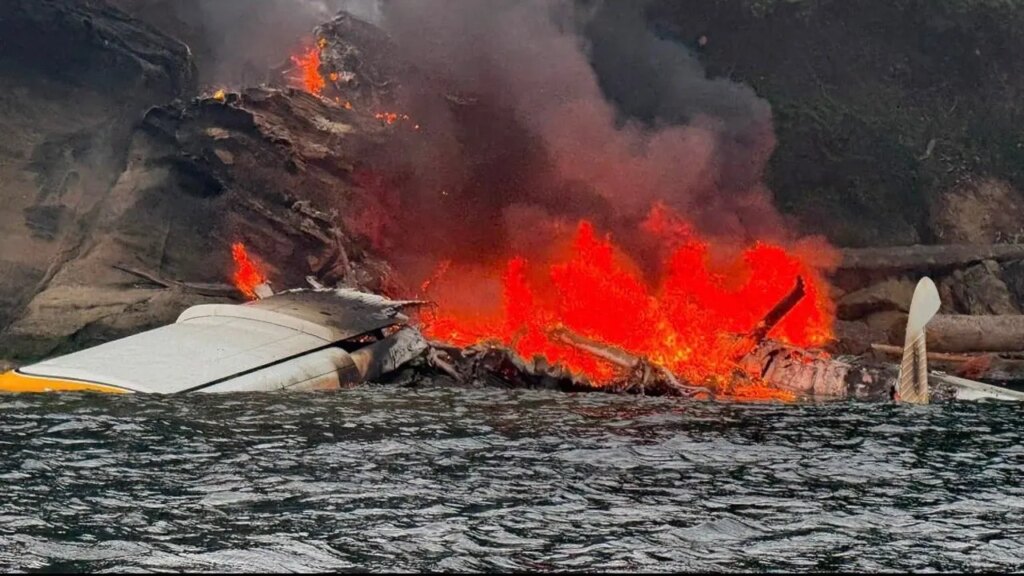

Kenmore Air Seaplane Makes Emergency Landing Near Sucia Island, Washington
Introduction
In an unexpected turn of events, a Kenmore Air seaplane made an emergency landing near Sucia Island, Washington. This incident raised questions about aviation safety and emergency preparedness in the seaplane industry. Known for its scenic flights and commitment to passenger safety, Kenmore Air’s swift action and state-of-the-art procedures helped manage an otherwise alarming situation.
What Happened?
On a sunny afternoon, the Kenmore Air seaplane, carrying a mix of tourists and locals, encountered mechanical issues shortly after takeoff. Pilots identified the problem and quickly informed the control tower. Following standard emergency protocols, they decided to make an emergency landing on the water near Sucia Island, a scenic spot known for its natural beauty.
The crew communicated efficiently, ensuring that all passengers remained calm. Passengers reported that the pilots executed the landing with great professionalism, smoothly touching down on the water while maintaining control of the aircraft. Fortunately, everyone on board emerged unharmed, demonstrating the effectiveness of Kenmore Air’s training and emergency procedures.
Why Kenmore Air?
A Brief Background
Kenmore Air has built a reputation over the years as a premier seaplane operator in the Pacific Northwest. Founded in 1946, the company specializes in providing memorable flight experiences across Washington state, particularly around the San Juan Islands. Their fleet predominantly consists of de Havilland Beavers and Twin Otters, aircraft renowned for their reliability and performance in various conditions.
Commitment to Safety
Safety is a cornerstone of Kenmore Air’s philosophy. The company invests significantly in pilot training, aircraft maintenance, and safety protocols to ensure passenger security. They are well-known for their thorough checks and preparedness for emergencies, standing out in the aviation industry as a model of operational excellence.
The Emergency Landing: A Closer Look
Pilot Response
The pilots’ immediate decision-making skills were vital during this situation. Upon detecting mechanical issues, the crew utilized their training to diagnose the situation effectively and promptly opted for an emergency landing. They followed established procedures, signaling the potential danger while keeping passengers informed.
Preparation and Equipment
Kenmore Air regularly equips its aircraft with the latest safety features and navigational tools, aligning with their value proposition to provide not just scenic flights, but safe ones. This commitment becomes even more vital when challenges arise, as every element— from the pilots to the aircraft— collaborates for a safe outcome.
Passenger Experience
For the passengers, the experience was understandably nerve-wracking. However, many appreciated the professionalism exhibited by the crew during the situation. Passengers were informed of the need for an emergency landing, which helped relieve some anxiety during the process. Post-landing, the crew ensured that everyone was accounted for and safe.
Aftermath and Lessons Learned
Investigative Actions
Following the incident, the Federal Aviation Administration (FAA) and the National Transportation Safety Board (NTSB) began investigations to uncover the root causes of the mechanical failure. Their findings are anticipated to provide insight into best practices for avoiding similar situations in the future.
Public Response
News of the emergency landing caught the attention of local media and the general public. Many expressed admiration for Kenmore Air’s overall handling of the crisis. Public forums began discussing the importance of safety standards and how companies like Kenmore Air help set the benchmark for aviation safety, especially for seaplane operations.
Conclusion
Kenmore Air’s emergency landing near Sucia Island serves as a reminder of the unpredictability of aviation, even within established companies renowned for their safety standards. What is commendable, however, is the response from both the pilots and the crew. They exemplified how preparedness and adherence to safety protocols can make all the difference in an aviation emergency.
The incident has sparked conversations about aviation safety, operational excellence, and the need for ongoing training in the aviation sector. Kenmore Air continues to be a leader in the field, reinforcing their value proposition through their commitment to safety and excellence.
FAQs
What is Kenmore Air?
Kenmore Air is a seaplane operator based in the Pacific Northwest, offering scenic flights and scheduled services primarily around the San Juan Islands.
What types of aircraft does Kenmore Air operate?
Kenmore Air operates a fleet predominantly made up of de Havilland Beavers and Twin Otters—aircraft known for their reliability in seaplane operations.
How does Kenmore Air ensure passenger safety?
Kenmore Air prioritizes safety through rigorous pilot training, regular maintenance checks on their aircraft, and adherence to emergency protocols.
What happened during the emergency landing?
The seaplane faced mechanical issues shortly after takeoff but executed a successful emergency landing on the water near Sucia Island without any injuries reported.
What are the next steps after the incident?
Post-incident, the FAA and NTSB are investigating to determine the cause of the mechanical failure and offer recommendations to prevent similar situations.
This incident has reignited discussions surrounding aviation safety protocols, emphasizing the importance of preparedness in any travel setting. For travelers in the Pacific Northwest, knowing that companies like Kenmore Air prioritize safety remains reassuring and vital.