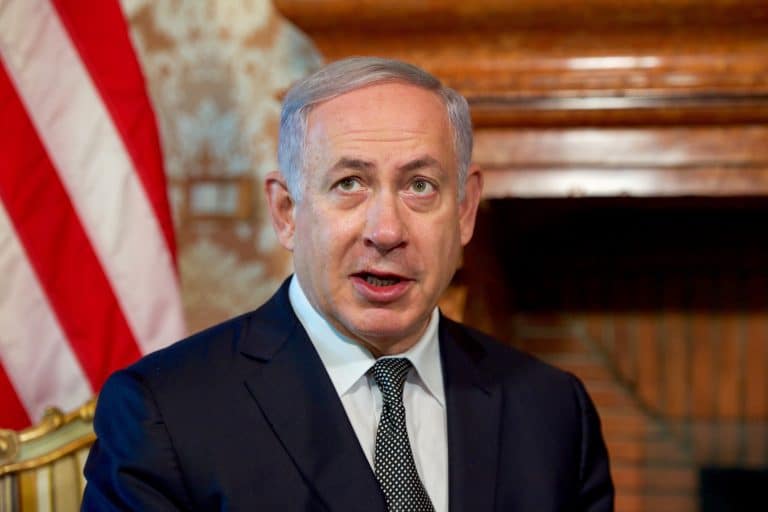

Israeli Prime Minister Benjamin Netanyahu is facing substantial backlash from voters over his administration’s approach to the contentious Iran nuclear deal. The renewed scrutiny over the deal traces back to President Biden’s administration, which has been engaged in negotiations aimed at reviving the Joint Comprehensive Plan of Action (JCPOA) initially established in 2015. Netanyahu, who has long been a vocal critic of Iran and its nuclear ambitions, worries that any revival of the agreement will empower Tehran and jeopardize Israel’s security.
The repercussions for Netanyahu are particularly significant, as public sentiment is shifting. Polls indicate a growing discontent among Israelis regarding the government’s foreign policy decisions. Many voters feel that Netanyahu’s steadfast opposition to the Iran deal has resulted in diplomatic isolation for Israel. Critics argue that his hardline stance has not yielded the desired results, leaving Israel without strong international support against potential Iranian aggression.
Moreover, analysts suggest that Netanyahu’s government has failed to provide a viable alternative to the deal, creating an atmosphere of uncertainty. With numerous reports documenting Iran’s continued advancements in nuclear technology, citizens question the effectiveness of Netanyahu’s strategy. Concerns are mounting that Israel’s unilateral actions may fall short in curbing Tehran’s ambitions. This failure to secure more diplomatic avenues has led to frustration among constituents who expect robust leadership in matters of national security.
Adding to the backlash is the perception of Netanyahu as being more focused on his political survival than on addressing pressing issues facing the nation. The ongoing legal battles surrounding corruption charges against him have compounded concerns that his political priorities may not align with the electorate’s desire for effective governance. As social media platforms amplify dissent, protests and vocal opposition to Netanyahu’s government are on the rise, further signaling a potential shift in public opinion.
The political landscape is becoming increasingly turbulent as various factions within Israel begin to exploit Netanyahu’s waning credibility. Opposition parties are capitalizing on the discontent, arguing for a more nuanced approach to dealing with Iran. They advocate for engaging in diplomatic efforts that can secure lasting peace rather than fostering conflict.
As future elections loom, Netanyahu’s handling of the Iran nuclear deal will likely become a central issue. The dynamic tension between security concerns and diplomatic solutions will continue to shape the discourse in Israel, and the extent of the backlash against Netanyahu could jeopardize his political future. If he fails to restore confidence among voters, the implications could resonate long after the deal’s fate is determined.
For more details and the full reference, visit the source link below: