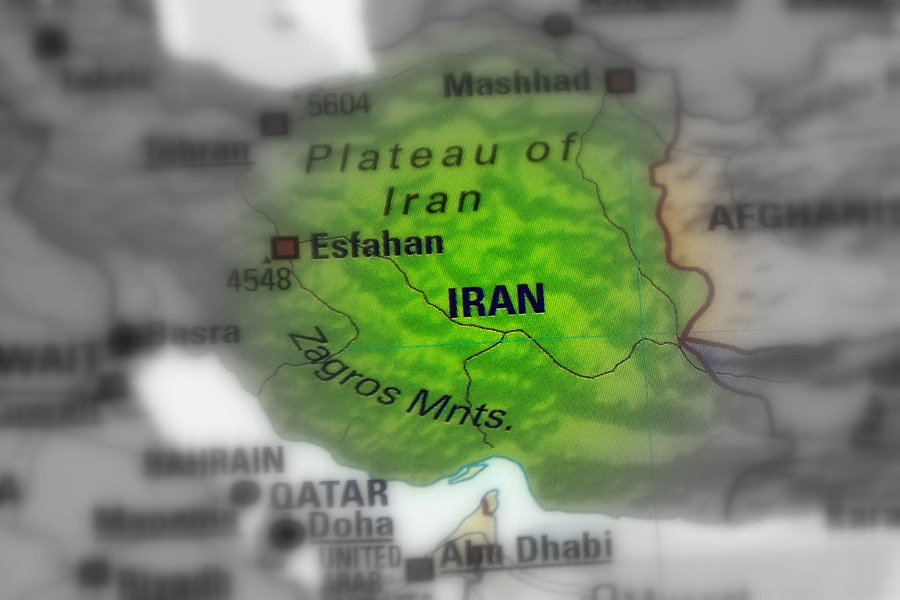

The recent announcement from the Pentagon regarding Iran’s reconstitution of missile systems in the Strait of Hormuz has raised significant concerns over regional stability and heightened tensions between the U.S. and Iran. This development comes just before a series of U.S. airstrikes aimed at deterring Iranian aggression and securing strategic maritime routes.
The Strait of Hormuz is a critical chokepoint through which approximately 20% of the world’s oil supply passes. Its importance cannot be overstated, as instability in this region can ripple through global markets and impact international oil prices. Iran’s missile capabilities in this area pose a direct threat not only to U.S. forces but also to allied nations and commercial shipping vessels traversing the strait.
Pentagon officials indicated that the reconstitution of these missile systems may include both short and medium-range missiles, which could be used to target ships or military assets in the vicinity. This escalation is perceived as a deliberate move by Iran to assert its influence and capabilities in the region, coinciding with long-standing tensions stemming from U.S. sanctions and military presence in the Gulf.
In response to Iran’s provocative actions, the U.S. launched airstrikes targeting Iranian-backed militia facilities in Syria, aimed at sending a clear message regarding America’s commitment to defend its interests and those of its allies. The strikes were characterized by U.S. officials as preemptive measures to counter perceived threats emanating from Iran’s military activities.
The timing of these developments suggests a calculated strategy by Iran to bolster its missile defenses while simultaneously challenging U.S. positioning in the region. It appears to be part of a broader pattern of Iranian behavior aimed at destabilizing the delicate balance of power in the Middle East. In this context, the reconstitution of missile systems serves as both a defensive posture and a strategic leverage point in negotiations or confrontations with the U.S. and its allies.
Moreover, these developments have raised alarms among neighboring countries, prompting discussions regarding collective security measures. The Gulf Cooperation Council (GCC) nations are particularly concerned about the implications for their own national security, especially given Iran’s history of supporting proxy groups that may conduct asymmetric warfare.
Ultimately, the situation remains tenuous. As Iran continues to enhance its military capabilities, the U.S. and its allies must navigate a complex web of diplomatic and military strategies to manage the risks posed by a potentially nuclear-capable Iran. These events underscore the ongoing volatility in the region and the need for sustained vigilance and cooperation among nations committed to ensuring maritime security and regional stability.
For more details and the full reference, visit the source link below: