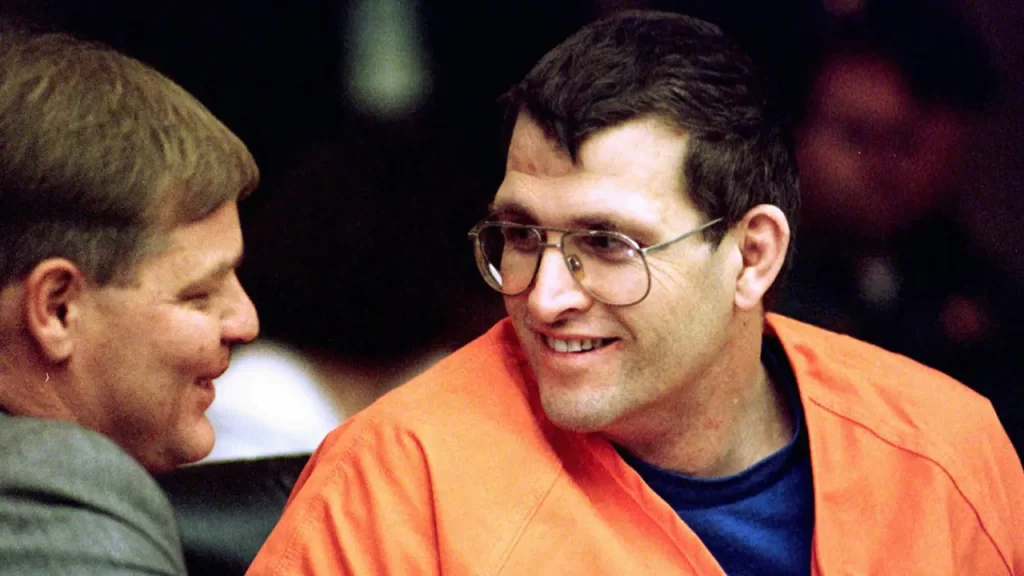

Serial Killer Warns Rex Heuermann: Size Won’t Shield Him in Prison
Introduction
The world of crime is often illustrated by the perilous life behind bars, especially for those accused of heinous acts like serial killings. One such case that has recently caught media attention is that of Rex Heuermann. In a bizarre twist, a notorious serial killer has publicly issued a stark warning to Heuermann, emphasizing that his physical size will not provide him the protection he might expect in prison. In this article, we delve into the implications of this warning, explore the dynamics of prison life for high-profile criminals, and provide insights into the broader issues surrounding violent crime and its repercussions.
Who is Rex Heuermann?
Rex Heuermann has been implicated in a series of violent crimes that have shocked the nation. As law enforcement continues its investigations, Heuermann stands at the center of a media frenzy that highlights the gruesome nature of his alleged deeds. His size—a factor often mentioned in discussions about his ability to withstand the rigors of prison—has become a focal point in the ongoing narrative.
The Warning from a Serial Killer
In an unexpected move, a well-known serial killer has reached out to Heuermann, cautioning him that being large does not equate to being safe or untouchable within the prison environment. This warning underscores the harsh realities of prison life, where survival often hinges less on physical attributes and more on psychological acuity, social dynamics, and the prevailing culture of violence.
Understanding Prison Dynamics
The Social Hierarchy
Prison is not just a place of incarceration; it’s a complex social ecosystem. Within this environment, inmates establish a strict hierarchy based on various factors, including criminal history, perceived strength, and social skills. Size may offer an initial advantage, but it is far from a panacea.
Vulnerability of High-Profile Inmates
High-profile inmates, especially those accused of heinous crimes like murder and serial killings, often become targets for violence. Their notoriety can lead to heightened animosity from fellow inmates, many of whom might consider the accused’s crimes detestable. The prison environment can quickly turn hostile, as jailhouse justice takes precedence over legal systems.
The Importance of Psychological Resilience
Inmates in prison must navigate daily threats and hostility. Psychological resilience becomes crucial in these settings. It’s not uncommon for smaller inmates to leverage wit, alliances, or psychological strategies to ensure their safety. Size, in this context, plays a lesser role than the inmate’s ability to manipulate social situations.
Consequences of the Warning
Impacts on Rex Heuermann
The warning from the serial killer suggests that Heuermann’s arrival at prison could be tumultuous. Knowing that others are aware of his case might provoke confrontations or harassment, as notoriety tends to draw attention—both good and bad.
Influence on Inmate Behavior
This kind of warning can embolden potential aggressors within prison who wish to escalate the situation. It creates an atmosphere where the fear of retaliation or violence against high-profile inmates becomes a reality, leading to a cycle of aggression and tension.
The Broader Implications of Violent Crime
Public Fascination with Serial Killers
The fascination society holds for serial killers often detracts from the severe repercussions their actions inflict on victims and families. Highlighting stories like that of Rex Heuermann can sometimes draw more attention to the criminal than to the tragedy caused, complicating the narratives surrounding justice and rehabilitation.
The Cycle of Violence
Warnings issued between violent offenders illustrate a larger narrative about the cycle of violence that exists in both criminal life and prison culture. This cycle perpetuates fear, aggression, and sometimes leads to further criminal behaviors. As society seeks safer communities, it is crucial to address these cycles and work toward breaking them.
The Need for Rehabilitation and Reform
As discussions surrounding inmates like Heuermann continue, it becomes essential to recognize the need for comprehensive rehabilitation programs that address underlying issues leading to violent behaviors. Prisons should focus not only on punishment but also on providing pathways for inmates to reintegrate successfully into society.
Conclusion
Rex Heuermann’s situation serves as a cautionary tale about the nature of violence, the complexities of prison life, and society’s fascination with criminal behaviors. While the warning from a serial killer may seem on the surface to be merely sensational, it calls attention to the grim realities faced by high-profile inmates. Protection in prison is an illusion for many, particularly those who have committed unthinkable acts. As society grapples with these themes, it is crucial to advocate for strategies that support justice while also emphasizing the potential for change and reform among convicted individuals. The legacy of crime is multifaceted, and confronting it means addressing not just the individuals who commit these acts but also the systems that enable their continuation.