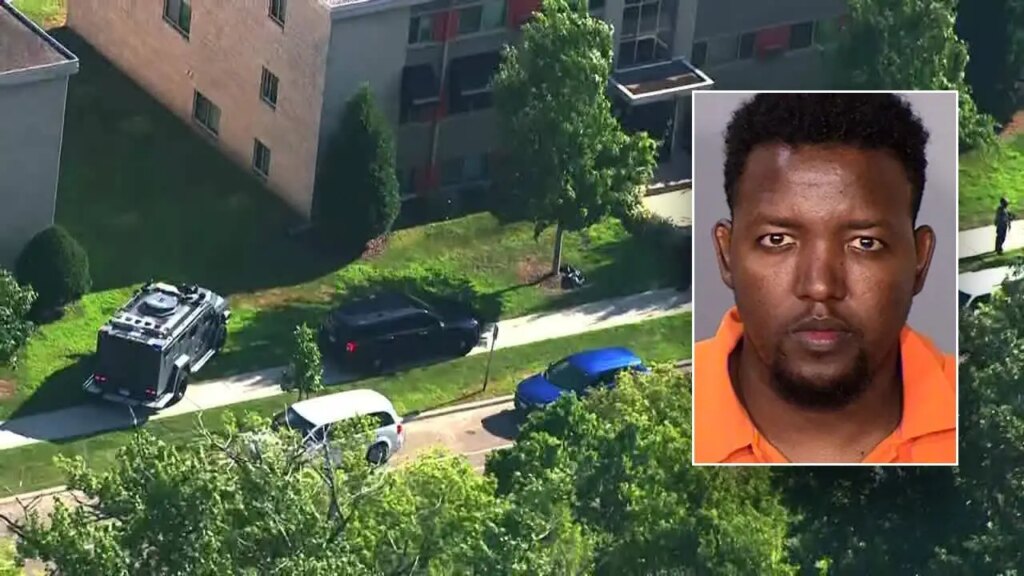

St. Paul Man Charged in Triple Murder Allegedly Over $65 Parking Dispute
In a shocking revelation, a St. Paul man has been charged with a triple murder that reportedly stemmed from a mere $65 parking dispute. The incident underscores the complexity of human behavioral responses to conflict, particularly in today’s society where tensions can escalate quickly. This article delves into the details of the case, examining the motivations behind such extreme actions and the broader implications on community safety.
Overview of the Incident
On a typical evening, what began as a simple parking disagreement spiraled into a deadly confrontation. The alleged assailant, identified as a 28-year-old resident of St. Paul, became embroiled in a dispute over a parking space that reportedly cost $65. The situation quickly escalated, resulting in the loss of three lives and leaving the community in shock.
Timeline of Events
- Initial Dispute: The confrontation reportedly began when the suspect parked in a space that the victims claimed was theirs.
- Escalation: Words were exchanged, leading to heightened emotions and eventually violence.
- Tragic Outcome: The aftermath was devastating, with three individuals losing their lives to gunfire.
The Charges Against the Suspect
In light of the evidence gathered by law enforcement, the man has been charged with three counts of first-degree murder. The gravity of these charges reflects the seriousness of the incident and the impact on the victims’ families and the community as a whole.
The Legal Implications
First-degree murder charges indicate that authorities believe the suspect acted with premeditation, a determination based on the circumstances surrounding the event. This highlights a critical aspect of legal discussions around self-defense, intent, and the role of firearms in escalated conflicts.
Analyzing Human Behavior in Conflict
The Role of Conflict Resolution
This tragic incident raises significant questions about conflict resolution and the ability of individuals to manage disagreements without resorting to violence.
- Training and Education: Educational programs focused on conflict resolution could help in similar situations.
- Community Support: Community mediation services could serve as a valuable resource for preventing disputes from escalating.
Societal Tensions and Factors
The socio-economic context cannot be overlooked. Factors such as economic stress, unemployment, and social disconnection can drive individuals to react more violently than they might under different circumstances.
Community Reaction and Impact
The St. Paul community is grappling with the aftermath of this tragic event. Local residents have expressed their shock and sadness, highlighting the importance of community solidarity in the face of such violence.
Vigil and Memorials
Vigils and memorials for the victims have already been organized, showcasing the community’s effort to come together during this dark time. The emotional toll of violence extends beyond immediate victims, affecting families, friends, and the community overall.
The Broader Implications on Gun Violence
National Trends in Gun Violence
This incident serves as a stark reminder of the larger national issue of gun violence. Data from various studies indicate a worrying trend; parking disputes and minor disagreements can quickly escalate into violence, particularly when firearms are involved.
- Statistics: According to recent reports, urban areas have seen a significant rise in gun-related incidents, often connected to non-violent disputes.
- Legislative Responses: Calls for stricter gun control measures have intensified, advocating for a need to address underlying issues contributing to gun violence.
Mental Health Considerations
Addressing mental health and emotional intelligence within communities is critical. Programs aimed at lowering aggression levels and promoting emotional regulation can help in curbing such violent behaviors.
The Path Forward: Ensuring Safer Communities
Following this tragic event, it is crucial for community leaders and residents to discuss comprehensive strategies for conflict resolution and violence prevention.
Community Outreach Programs
Outreach initiatives that educate individuals on conflict resolution techniques and the importance of de-escalation can significantly alter the trajectory of similar disagreements in the future.
Engaging Local Authorities
Collaboration with law enforcement can enhance community safety. Initiatives that focus on community policing, where police officers engage with community members, can foster trust and understanding.
Conclusion
The tragic loss of three lives over a seemingly minor parking dispute in St. Paul serves as a stark reminder of the complexities involved in human interactions. As the legal proceedings unfold, it is essential for the community to engage in meaningful discussions about conflict resolution, mental health resources, and violence prevention.
In an era where tensions can bubble to the surface rapidly, it is incumbent upon all individuals—citizens, community leaders, and policymakers alike—to reflect on the broader societal implications and work towards creating environments that prioritize understanding, respect, and safety. Only then can such tragic incidents become less frequent and historical moments of tragedy evolve into catalysts for positive change.