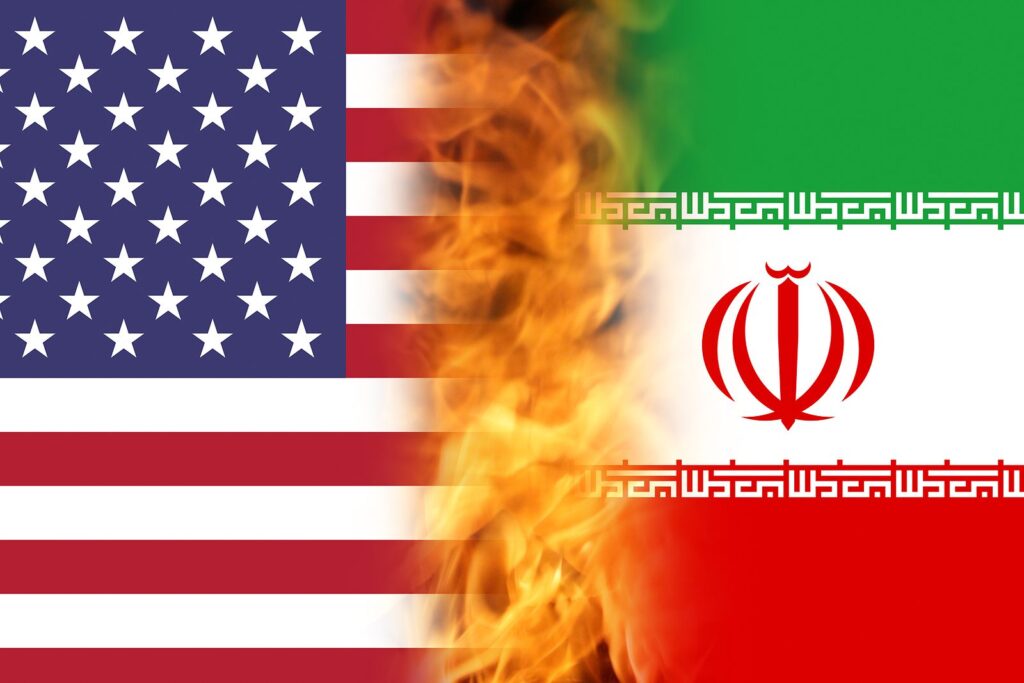

The recent surge in viral claims about Iran’s military surrender highlights a significant disconnect between perception and reality in international relations. While the imagery and narratives circulating on social media may suggest significant shifts in geopolitical power dynamics, they fall short of substantiated facts.
Firstly, one must consider the context of these claims. The notion that Iran, a nation with a robust military infrastructure and a history of resilience against external pressures, would simply surrender is both sensational and lacking in credibility. Iran has long positioned itself as a regional powerhouse, often boasting its military capabilities and engaging in complex partnerships across the Middle East. Suggesting that it would capitulate to external pressure without substantial evidence overlooks the intricacies of its national defense strategy and the political ramifications such a surrender would entail.
Moreover, the framing of these narratives often lacks nuance. Viral posts and articles tend to focus on hyperbolic language that captures attention but misses the essential background. For instance, many sources may cite military losses or setbacks, yet these instances are part and parcel of ongoing conflicts that are rarely black-and-white. In the context of long-standing tensions, such as those involving the U.S., Israel, and various proxy wars, any tactical retreat or loss does not equate to an outright surrender.
It’s also vital to recognize the effects of misinformation. The internet has amplified a culture of immediacy, where sensational claims can quickly capture public attention. Misleading assertions about Iran’s military status can sway public opinion and shape foreign policy discussions, posing risks to diplomatic relations and escalating tensions unnecessarily. Governments and media outlets must exercise responsibility in how they disseminate information, ensuring it is rooted in verified facts.
Additionally, the narratives of surrender often ignore the responses and capabilities of allied nations. Countries aligned with Iran, such as Russia and China, have significant geopolitical interests that would prevent them from allowing Iran to fall without a fight. The involvement of these global players further complicates the notion that any military predicament for Iran would lead to a straightforward surrender.
In conclusion, while viral claims of Iran’s military surrender may create a buzz in the digital sphere, they ultimately fail to reflect the complex realities of international politics. A critical evaluation of the sources and motivations behind such claims reveals the necessity of a more nuanced understanding of global military dynamics. True military analysis requires not just headlines but a comprehensive view of geopolitical strategies, alliances, and historical context.
For more details and the full reference, visit the source link below: