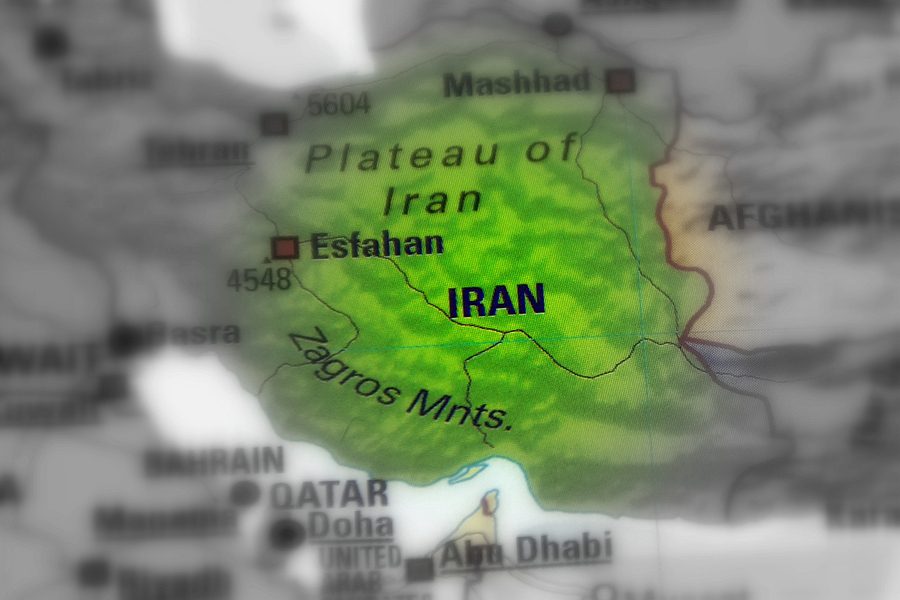

The geopolitical landscape in the Middle East is increasingly fraught with tension as the United States has conducted its 12th consecutive night of airstrikes targeting Iranian positions. This escalation comes amid heightened stakes surrounding the strategically vital Strait of Hormuz, a crucial maritime corridor through which approximately one-fifth of the world’s oil passes daily. The situation underscores the fragility of peace in a region historically plagued by conflict, and it poses significant implications for global energy markets and international diplomacy.
The airstrikes, which have reportedly focused on military facilities associated with Iran’s Islamic Revolutionary Guard Corps (IRGC), signal a robust U.S. commitment to respond to perceived threats in the region. U.S. officials assert that these actions are part of a broader strategy to deter Iranian aggression, particularly in light of increased military maneuvers and hostile rhetoric emanating from Tehran. The ongoing operations highlight a shift in U.S. military posture, moving from a largely defensive stance to a more proactive approach aimed at curbing Iran’s influence.
With the Strait of Hormuz at the center of this standoff, the stakes have only grown. The waterway is not only vital for oil exports from the Gulf states but also serves as a symbolic battleground for power dynamics between the U.S. and Iran. Disruption in this passage could send shockwaves through global oil markets, leading to skyrocketing prices that would affect economies worldwide. In this context, the U.S. airstrikes can be seen as a deterrent strategy, aimed at reassuring allies in the region, particularly those who are vulnerable to Iranian incursions.
Iran, for its part, has vowed to retaliate against what it views as acts of aggression. The Iranian leadership has warned of severe repercussions should U.S. actions continue, highlighting the precarious balance between military strength and diplomatic dialogue. The threat of retaliation raises fears of an escalating cycle of violence, potentially drawing in other regional players and complicating an already volatile situation.
As the U.S. and Iran navigate this high-stakes standoff, the call for diplomatic engagement remains crucial. The international community, including traditional U.S. allies, is keenly observing the developments, with many advocating for renewed negotiations to address underlying tensions. Without a proactive approach to diplomacy, there is a real risk that the current military confrontations could spiral into broader conflict, disrupting the fragile equilibrium that has existed in the region.
In conclusion, while U.S. airstrikes may serve immediate strategic objectives, the broader implications for regional stability and international peace cannot be underestimated. The key moving forward will be balancing military readiness with diplomatic avenues, to avoid another costly entanglement in the Middle East.
For more details and the full reference, visit the source link below: