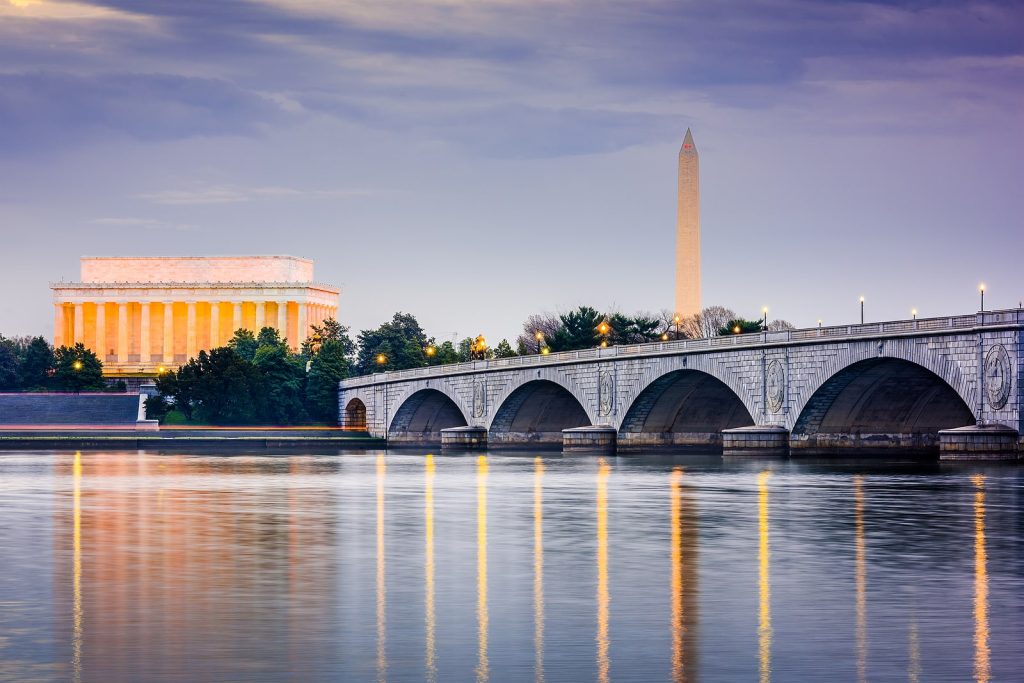

The Reflecting Pool on the National Mall in Washington, D.C., is a tranquil body of water that beautifully mirrors the Lincoln Memorial, but its recent history is anything but serene. This iconic site has become the focal point of a heated debate surrounding the causes and consequences of its frequent issues, which some attribute to engineering failures while others allege political sabotage.
Historically, the Reflecting Pool has faced numerous challenges, including structural damage, drainage issues, and algae growth. These problems not only affect the aesthetic appeal of the site but also raise questions about the engineering decisions made during its construction and subsequent renovations. The pool, originally built in 1922, has undergone several refurbishments, but each has brought its own set of complications. Critics of these engineering projects point to the use of outdated materials and methods that fail to withstand the passage of time and changes in environmental conditions.
On the other hand, some stakeholders suggest that the pool’s problems may stem from deeper political motives. The National Mall is not just a place of history and reflection; it is a battleground for differing visions of public space and civic identity. Decisions made in the political arena can sometimes undermine engineering efforts. For instance, funding cuts or shifts in policy priorities can impact the maintenance and care of such iconic structures. Local governance, federal budgets, and even ideological clashes can lead to deliberate sabotage—not in the sense of direct vandalism, but through neglect and mismanagement.
The conflict over the Reflecting Pool is emblematic of larger societal issues, such as the prioritization of national heritage versus the practicalities of modern engineering. Proponents of more aggressive restoration efforts argue that the site should receive the same level of attention and funding as other national monuments, viewing it as essential to American identity. Conversely, those who prioritize budget constraints and cost-effective solutions may inadvertently perpetuate a cycle of disrepair, leading to ongoing disputes between lawmakers, engineers, and conservationists.
In the context of the Reflecting Pool, the stakes are high. This landmark symbolizes democracy and national unity, and its upkeep is reflective of societal values. Navigating between engineering integrity and political will is critical not only for the preservation of the Reflecting Pool but also for the integrity of the National Mall itself. As debates continue, the challenge lies in finding a sustainable path forward that honors both the engineering craft and the political landscape that shapes public spaces.
For more details and the full reference, visit the source link below: