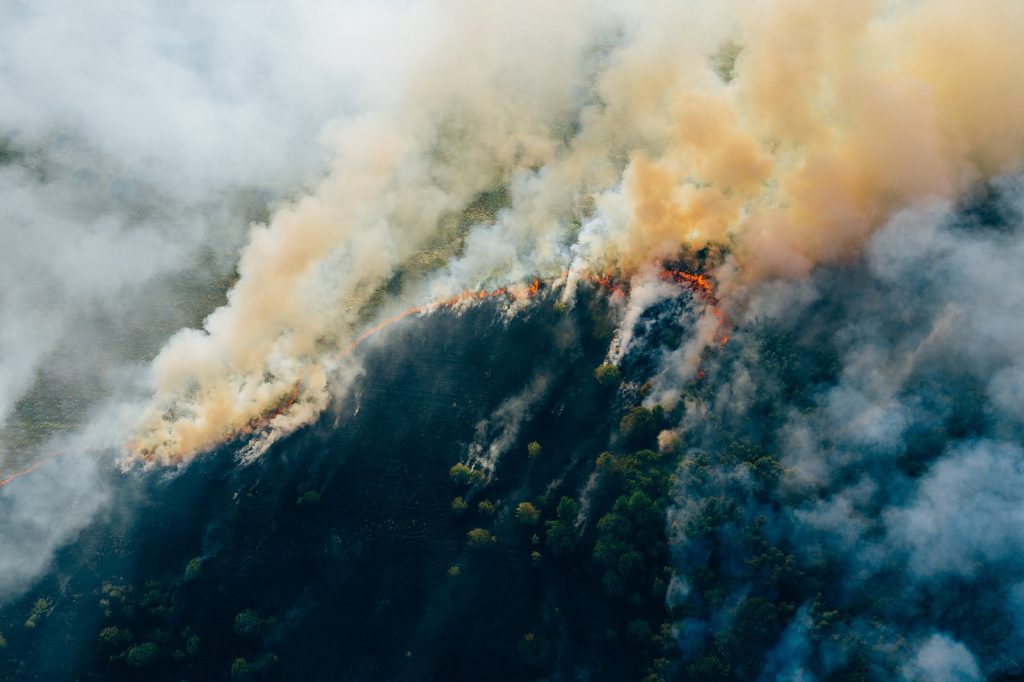

Utah is currently grappling with an unprecedented wildfire crisis, prompting Governor Spencer Cox to declare a state of emergency. The decision is a response to a confluence of extreme weather events, including historic heatwaves, high winds, and prolonged drought conditions that have escalated the risk of wildfires across the state.
The situation in Utah reflects a troubling trend observed across the Western United States, where climate change has contributed to increasingly severe weather patterns. This summer, Utah has experienced temperatures soaring well above average, exacerbating dry conditions across vast swathes of land. Coupled with strong winds, these conditions create a perfect storm for wildfires, as the flames can spread rapidly, threatening communities, wildlife, and natural resources.
As of late summer, the situation has escalated with several active fires, including the notorious “Parleys Canyon Fire.” This particular blaze has gained attention due to its proximity to populated areas and critical infrastructure, forcing evacuations and road closures. Firefighters from various regions have been deployed in an all-hands-on-deck approach to contain the flames and protect lives and property. The state’s emergency response mechanisms have been activated, including the National Guard, which is set to assist with firefighting efforts and logistics.
Meanwhile, the state has issued historic weather warnings, emphasizing the seriousness of the fire risk. The National Weather Service has described aspects of the weather as unprecedented, with critical fire weather warnings popping up throughout the region. Residents have been advised to remain vigilant, keep emergency supplies ready, and avoid outdoor activities that could contribute to fire outbreaks.
This alarming situation prompts a broader conversation about climate resilience and adaptation strategies in Utah and beyond. Officials are urging citizens to take proactive measures to reduce fire risks around their homes, such as clearing dry brush and creating defensible spaces. Community meetings are being held to inform residents about evacuation plans and safety protocols.
Yet, the challenges don’t end with firefighting. As the smoke drifts across the state, air quality has deteriorated, posing health risks to vulnerable populations, particularly children and the elderly. Understanding the multifaceted impacts of wildfires is crucial for shaping future policy and community preparedness.
In summary, Utah’s declaration of a state of emergency amid a wildfire crisis serves as a stark reminder of the realities of climate change. As the situation unfolds, the state’s resilience, preparedness, and collective action will be vital in managing and mitigating the ongoing crisis.
For more details and the full reference, visit the source link below:
Read the complete article here: https://www.stl.news/utah-declares-state-of-emergency-amid-wildfire/