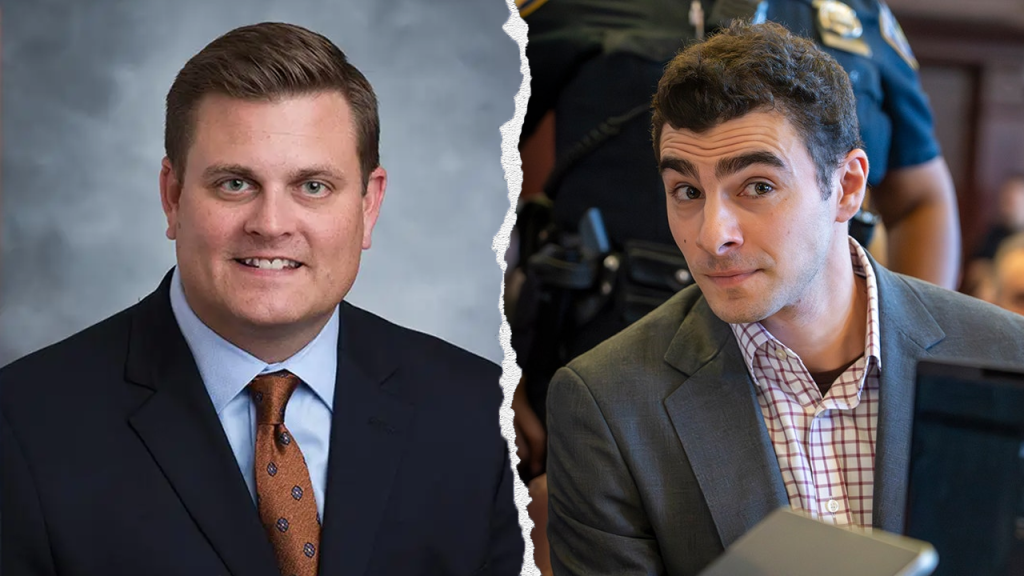

Luigi Mangione Defense: Potential to Reduce Murder Charge to Manslaughter in NYC
In recent legal news, the case of Luigi Mangione has captured public attention as defense strategies aim to lower the serious charges against him. In this article, we will explore how a robust legal defense could potentially reduce a murder charge to manslaughter in New York City.
Overview of the Case
Luigi Mangione stands accused of murder, a charge that carries significant penalties under New York law. The circumstances surrounding the case have led many to speculate on the possible outcomes. Understanding the nuances of this case is crucial, as it highlights essential aspects of criminal law and the intricacies involved in homicide cases.
Understanding Murder and Manslaughter Charges
Definitions
In New York, homicide offenses are classified primarily into two categories: murder and manslaughter.
-
Murder: This is the unlawful killing of another person with malice aforethought, meaning that the perpetrator had the intention to kill or cause grievous harm. Charges can range from second-degree murder to first-degree murder, depending on various factors, including premeditation and the severity of the crime.
-
Manslaughter: This charge is generally seen as a lesser offense. It involves the killing of another person without malice aforethought, often in response to provocation or during the commission of a non-felony crime. In New York, there are two main types: first-degree manslaughter and second-degree manslaughter.
Key Differences
The distinction between murder and manslaughter primarily revolves around the defendant’s state of mind at the time of the act. If Luigi Mangione’s defense team can successfully argue that he acted in a moment of passion or provocation, the court may consider reducing his charge from murder to manslaughter.
Strategies for a Strong Defense
Certain legal strategies could potentially aid in Mangione’s defense.
1. Provocation Defense
One common avenue in homicide cases is the provocation defense. If it can be shown that Mangione acted under extreme emotional disturbance, this may justify a reduction in charges. Evidence that Mangione was provoked might include witness statements or previously documented threats against him.
2. Self-Defense Argument
Another potential defense could be self-defense. If Mangione can substantiate that he feared for his life, this could provide a compelling case for either self-defense or a manslaughter charge. New York does recognize the right to defend oneself, but this claim must be vigorously supported by evidence and legal precedent.
3. Mental Health Considerations
Mental health plays a significant role in criminal law. If Mangione has existing psychiatric issues that contributed to his actions, his legal team could argue for diminished capacity. This might not fully absolve him but could lead to a charge of manslaughter instead of murder.
Legal Precedents and Case Law
When navigating this complex legal landscape, it’s essential to consider relevant case law and legal precedents that could inform Mangione’s defense.
Notable Cases
Several past cases in New York have set the groundwork for defenses that resulted in reduced charges from murder to manslaughter. For instance, People v. Williams established that emotional distress can significantly influence a person’s decision-making capabilities, leading to a finding of manslaughter rather than murder.
Impact of Jury Decisions
Winning a jury’s sympathy can be vital for a defense. Potential jurors may resonate more with a story of a person pushed to the brink rather than a cold-blooded murderer. The defense must present Mangione’s case compellingly, emphasizing factors that elicit empathy and understanding.
The Role of the Prosecutor
The prosecution’s role is to prove that Mangione exhibited intention or malice.
Burden of Proof
In a murder trial, the prosecution carries the burden of proof beyond a reasonable doubt. If the defense can create doubts in the jury’s mind, this could lead to a reduction of charges.
Legal Considerations
The prosecutor may opt to negotiate a plea deal if they feel the case against Mangione is weak, potentially lowering the charge to manslaughter. This option would be in their best interest, primarily if a lengthy trial seems uncertain.
The Broader Implications of Reduction in Charges
Societal Impact
Successful defense strategies that reduce murder charges to manslaughter can have significant societal implications. These can include public perception of justice, victim advocacy responses, and the potential for changes in legal standards for self-defense and provocation claims.
Future Cases
How this case unfolds could set a precedent for similar cases in the future, influencing how courts interpret provocation and emotional distress in homicide cases.
Conclusion: What Lies Ahead for Luigi Mangione
As the legal proceedings for Luigi Mangione unfold, many variables will come into play that could influence the outcome. His defense team’s strategies—including arguments of provocation, self-defense, and mental health considerations—will aim to reduce his charges from murder to manslaughter.
Vigilant attention to the case will continue as it raises vital questions about justice, emotional distress, and the complexities of human behavior in high-stress situations. The expertise of legal professionals, combined with the nuances of jury perception and societal norms, will ultimately determine the fate of Luigi Mangione in this high-stakes legal battle.
Final Thoughts
For those interested in understanding criminal law, the case of Luigi Mangione serves as a valuable study. It illustrates the critical importance of legal strategies, emotional context, and societal implications in homicide cases, making it a noteworthy example for both legal professionals and the general public.