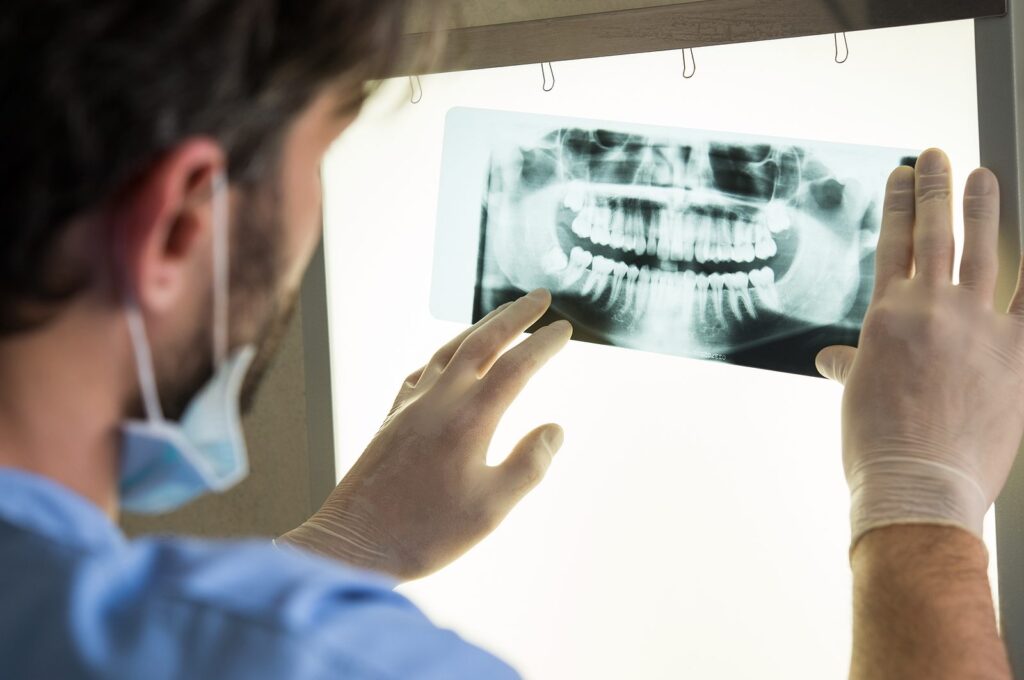

Oral Surgery: A Comprehensive Guide to Modern Dental Procedures
Oral surgery encompasses a wide range of dental procedures aimed at correcting issues related to the mouth, jaw, and associated structures. As a specialty of dentistry, it combines intricate techniques and advanced technology to address both functional and aesthetic concerns. This guide offers an overview of modern dental procedures commonly performed in oral surgery.
One of the most recognized forms of oral surgery is tooth extraction, particularly the removal of wisdom teeth. These third molars often become impacted—growing at abnormal angles due to lack of space—leading to pain, infection, or alignment issues. In such cases, surgical intervention is often necessary. The procedure generally involves anesthetic to ensure patient comfort and may include stitches for proper healing.
Another significant procedure is the placement of dental implants. This innovative solution replaces missing teeth with artificial roots made of biocompatible materials. Surgeons strategically place these implants into the jawbone, allowing time for osseointegration—the process where the bone grows around the implant. This not only restores the function of the teeth but also prevents bone loss in the jaw.
Orthognathic surgery addresses the alignment of the jaw and face, often correcting issues caused by congenital disabilities or trauma. This complex procedure involves repositioning the jaw to improve bite function and facial aesthetics. Patients typically undergo a detailed evaluation, including imaging studies, to ensure precise planning and execution of the surgery.
Another modern advancement is the use of laser technology in oral surgery. Lasers can enhance the precision of soft tissue procedures, such as gum reshaping and frenectomies, which involve the removal of labial or lingual frenums that restrict tongue or lip movement. Laser surgery often results in less bleeding, reduced discomfort, and faster healing compared to traditional methods.
Preoperative planning is crucial in oral surgery. Surgeons utilize advanced imaging techniques, such as 3D cone beam computed tomography (CBCT), to create a detailed view of the patient’s oral anatomy. This allows for tailored surgical approaches and improved outcomes. Additionally, sedation dentistry has become a significant part of oral surgery, enabling patients to undergo procedures in a relaxed state, minimizing anxiety.
Post-surgery, patients receive specific instructions on managing discomfort, swelling, and maintaining oral hygiene. Follow-up visits are essential for monitoring the healing process and addressing any complications.
Overall, modern oral surgery represents a critical component of dental care, combining expertise with technological advancements to improve patient outcomes. Whether for functional restoration or cosmetic enhancements, these procedures exemplify the evolving landscape of dental health.
For more details and the full reference, visit the source link below: