
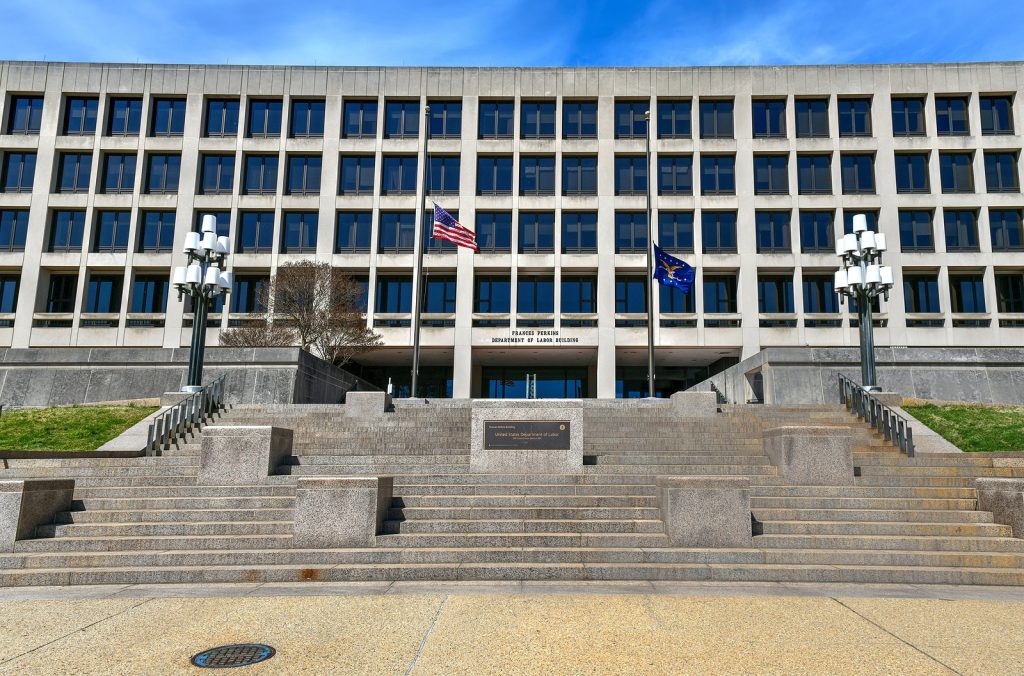

The State Group Industrial Owes $1.7M in Back Wages: What This DOL Case Means for Workers and Employers
The recent announcement that State Group Industrial owes $1.7 million in back wages following a Department of Labor (DOL) investigation raises significant implications for both workers and employers across various industries. The DOL’s findings stemmed from an investigation that uncovered violations of labor laws, particularly concerning the Fair Labor Standards Act (FLSA). These violations often include not paying employees for overtime work, failing to maintain accurate records of hours worked, or misclassifying employees to avoid obligations.
For workers, this case serves as a reminder of their rights and the importance of vigilance in understanding employment laws. Employees are entitled to receive compensation that reflects not only their hourly wage but also any overtime earned. The substantial amount owed by State Group Industrial highlights the potential scale of wage theft, which can significantly impact the livelihoods of workers. It underscores the need for workers to be aware of their rights and to advocate for fair treatment when it comes to wages and working conditions.
From an employer’s perspective, this case serves as a cautionary tale emphasizing the necessity of compliance with labor laws. Companies must ensure they have proper systems in place to track employee hours accurately and classify workers correctly according to their job functions. Failure to do so can lead to severe penalties, including hefty fines and back wages, not to mention reputational damage. In an environment where compliance is under increased scrutiny from regulatory bodies, employers must prioritize establishing transparent practices that uphold labor standards.
Additionally, the DOL’s action may act as a catalyst for broader conversations about wage integrity and workplace fairness. This case can foster awareness around the importance of ethical business practices, urging employers to cultivate a culture that prioritizes fair compensation. By adhering to labor laws and treating employees equitably, companies not only avoid legal repercussions but also contribute positively to employee morale and retention.
The outcome of the DOL’s case against State Group Industrial could encourage other workers to come forward with their wage disputes, emboldened by the possibility of legal support. As more cases arise, companies may find it increasingly important to engage in proactive measures to ensure compliance before facing investigations.
In summary, the DOL’s findings against State Group Industrial underscore the critical need for both workers and employers to understand and uphold labor laws. Increased diligence in fair wage practices can serve to enhance workplace environments while protecting the rights of employees, ultimately contributing to a more equitable labor landscape.
For more details and the full reference, visit the source link below:


